Effective physical security begins with understanding where vulnerabilities exist. DAC conducts comprehensive physical security assessments designed to identify conditions that could expose employees, visitors, facilities, operations, information, or other critical assets to unnecessary risk.
DAC’s assessment process considers each location from both an operational and security perspective. DAC examines how people and resources enter and move through the facility, how restricted areas are protected, how visitors and vendors are managed, and how existing security measures support the organization. By evaluating the complete environment, DAC identifies vulnerabilities that may otherwise go unnoticed and provide leadership with a clearer understanding of the organization’s overall physical security posture.
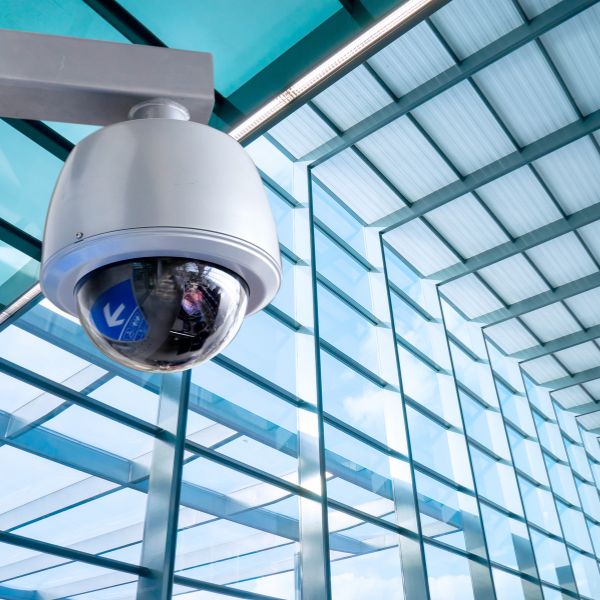
Security involves much more than installing cameras, fencing and lighting, and more than controlling doors. DAC evaluates the combination of people, procedures, technology, security culture, and environmental conditions that contribute to an organization’s overall security posture. Depending on the facility, this may include access control, data protection, critical resource support, surveillance, lighting, perimeter protection, visitor management, employee practices, emergency procedures, alarm systems, and other security measures.
DAC also considers how those individual components work together. A strong security program can still be undermined by inconsistent procedures or gaps in employee awareness. By taking a comprehensive approach, DAC helps organizations understand not only what security measures are in place, but how effectively those measures work together to reduce risk.
A security assessment should provide more than a list of what works and what does not. DAC translates assessment findings into practical recommendations that leadership can evaluate, prioritize, and implement. Recommendations are developed with consideration for the severity of the vulnerability, operational requirements, available resources, industry standards, and the potential impact on employees and daily activities.
Some improvements may involve technology or physical changes, while others may involve procedures, training, communication, or better use of existing resources. Our goal is to provide a realistic roadmap for strengthening your security posture over time—helping your organization make informed decisions about where improvements will have the greatest impact.