Security policies, systems, and controls can appear effective until they are tested under realistic conditions. Controlled penetration testing provides organizations with an opportunity to evaluate how existing defenses may perform against attempts to bypass or defeat them.
DAC pointedly identifies weaknesses through authorized, carefully scoped testing designed around the client’s environment and objectives. Testing can provide valuable insight into whether security controls are functioning as intended and where additional safeguards may be necessary. Discovering those weaknesses under controlled circumstances gives leadership the opportunity to address them before they contribute to an actual security incident.
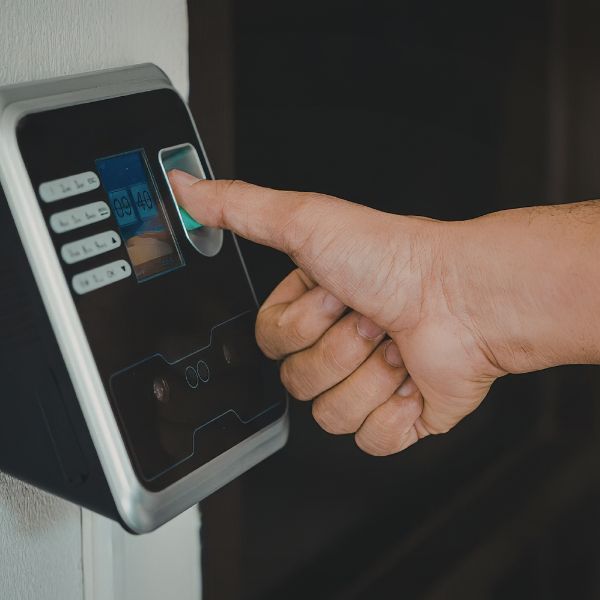
Modern security threats do not always remain neatly divided between physical and digital environments. Physical access can create opportunities to compromise technology, while digital information can sometimes expose physical vulnerabilities. Employees and organizational procedures can also become part of the attack surface.
DAC can evaluate physical access controls, security procedures, human factors, technology, systems, and other potential pathways to sensitive areas, information, or assets. Looking at security from multiple perspectives can uncover weaknesses that may not be apparent when physical and cybersecurity programs are evaluated separately.
The value of penetration testing comes from what an organization does with the findings. DAC translates identified vulnerabilities into clear, actionable recommendations so leadership can understand the potential risk and determine how improvements should be prioritized.
Recommendations may involve strengthening technical controls, modifying physical security measures, improving procedures, addressing employee awareness, or introducing additional safeguards. Rather than focusing solely on individual findings, DAC considers how vulnerabilities fit into the organization’s broader security posture. The objective is to help clients make informed improvements that reduce exposure and strengthen the layers of protection surrounding critical assets and operations.